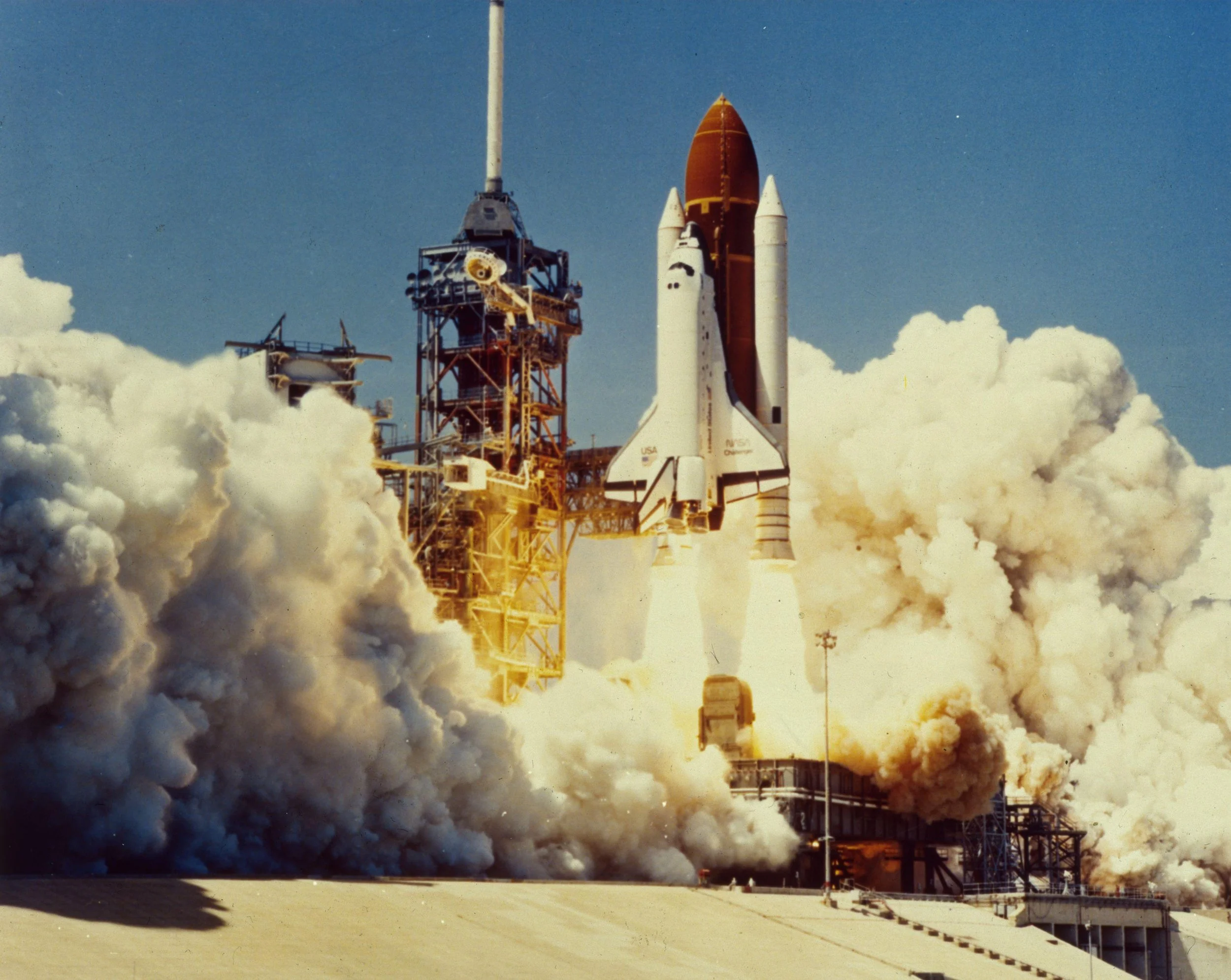
Space Shuttle Challenger
Case Study
The Challenger Question: What Could We Have Known?
On January 28, 1986, millions of Americans watched as Space Shuttle Challenger broke apart shortly after launch.
In the months that followed, investigations revealed engineering concerns, organizational failures, and decisions that would fundamentally change our understanding of the tragedy.
Today, we can examine those findings with the benefit of hindsight.
But The Reasonable Citizen asks a different question:
What could an ordinary American reasonably have known before Challenger launched?
What information was publicly available? What was known only inside NASA? What warnings reached decision-makers? And was it reasonable for citizens to trust the assurances of an institution with extraordinary technical expertise?
This case study explores the difference between what was known, what was knowable, and what became clear only after tragedy struck.
It also raises a question that extends far beyond the space program:
How should we judge a belief when the evidence available at the time was incomplete?